Dental hygiene coding, particularly for oral hygiene instructions, relies heavily on the CDT codes established by the ADA.
These codes ensure accurate billing and documentation, reflecting the comprehensive care provided to patients.
Understanding these codes, like D1330, is crucial for dental professionals and maximizing reimbursement potential.
Effective coding practices directly impact a practice’s financial health and demonstrate the value of preventative dental care.
Properly utilizing codes enhances communication with insurance providers and supports quality patient treatment.
The Importance of Accurate Coding
Accurate dental coding, especially when documenting oral hygiene instructions using codes like D1330, is paramount for several reasons. Firstly, it ensures appropriate reimbursement from insurance providers, directly impacting a practice’s revenue cycle. Incorrect coding can lead to claim denials, requiring time-consuming appeals and potentially lost income.
Secondly, precise coding supports legal and ethical compliance. Detailed and accurate records demonstrate the services rendered and justify billing practices. This is particularly important during audits or investigations. Furthermore, it facilitates data analysis, allowing practices to track the frequency and type of oral hygiene instructions provided, identifying trends and areas for improvement in patient care.
Finally, clear coding enhances communication between dental teams, insurance companies, and patients, fostering transparency and trust. Utilizing the correct CDT codes accurately reflects the value of preventative care and the expertise of dental hygienists.
Overview of ADA Dental Procedure Codes (CDT Codes)
CDT Codes, maintained by the American Dental Association, are a standardized system for reporting dental procedures to insurance companies. These codes are essential for accurate billing and claim processing. The system is updated regularly, reflecting advancements in dental techniques and materials. For oral hygiene instructions, CDT code D1330 is specifically designated for personalized patient education.
D1330 encompasses instructions on brushing, flossing, and the use of adjunct oral hygiene aids. However, it’s crucial to understand that reimbursement for this code can vary significantly between insurance plans. Some insurers may have limitations or require specific documentation to justify the service. Beyond D1330, related codes like D1320 (basic oral hygiene education) exist, but represent a more rudimentary level of instruction.
Proper utilization of these codes requires ongoing education and awareness of current coding guidelines.
Core CDT Codes for Oral Hygiene
Core codes like D1110 (prophylaxis) and D4341/D4342 (scaling & root planing) often accompany D1330, the oral hygiene instruction code, for comprehensive care.
D1110: Prophylaxis ⸺ Routine Cleaning
D1110, representing a routine prophylaxis or cleaning, is frequently the foundational procedure during a dental hygiene appointment. While primarily focused on removing calculus and plaque, it’s intrinsically linked to oral hygiene instructions.
Following the cleaning, hygienists utilize CDT code D1330 to document and bill for personalized education. This includes demonstrating proper brushing and flossing techniques, and recommending appropriate oral hygiene aids. The effectiveness of D1110 is significantly enhanced when coupled with thorough patient instruction.
Essentially, a successful prophylaxis isn’t just about a clean mouth; it’s about empowering patients to maintain that cleanliness at home. Therefore, D1110 often serves as the gateway to delivering and documenting crucial oral hygiene instructions under D1330, fostering long-term oral health.
D4341: Periodontal Scaling and Root Planing (SRP) ⏤ Initial Therapy
D4341, periodontal scaling and root planing (SRP), addresses more advanced periodontal disease. However, even with this intensive therapy, oral hygiene instructions are paramount to success and are typically billed using CDT code D1330.
SRP aims to eliminate bacterial toxins and create a clean root surface, but long-term maintenance relies heavily on the patient’s ability to control biofilm at home. Hygienists must provide detailed instruction on modified brushing techniques, interdental cleaning methods, and potentially adjunctive therapies.
The complexity of periodontal disease often necessitates more extensive oral hygiene instructions than a routine cleaning. Documenting these instructions under D1330 demonstrates the comprehensive care provided and justifies the need for ongoing periodontal maintenance.
D4342: Periodontal Maintenance
D4342, periodontal maintenance, is a recurring therapy for patients who have undergone SRP. Crucially, oral hygiene instructions remain a vital component of each maintenance visit, often billed with CDT code D1330. Reinforcing proper techniques is essential to prevent disease recurrence.
Maintenance appointments aren’t simply cleanings; they involve assessing the patient’s current oral hygiene, identifying areas needing improvement, and providing tailored instruction. This may include reviewing brushing and flossing, demonstrating new tools, or addressing specific challenges the patient faces.
Detailed documentation of these oral hygiene instructions under D1330 is critical for demonstrating the ongoing care provided and supporting continued insurance coverage for periodontal maintenance. Consistent reinforcement leads to better patient compliance and long-term periodontal health.
Oral Hygiene Instructions: The D1330 Code
CDT code D1330 specifically covers personalized oral hygiene education, including brushing, flossing, and aid usage, vital for preventative dental care and patient health.
Understanding CDT Code D1330
CDT Code D1330 is specifically designated for “Oral hygiene instructions.” This code represents a crucial component of preventative dentistry, encompassing more than just a quick reminder to brush and floss. It signifies a dedicated session where dental professionals provide tailored education and training to patients.
The purpose is to empower patients with the knowledge and skills necessary to maintain optimal oral health at home. This includes demonstrating proper brushing techniques, effective flossing methods, and the correct utilization of any specialized oral hygiene aids recommended for their specific needs. Introduced in 2015, D1330 acknowledges the importance of individualized instruction.
However, it’s important to note that many insurance companies don’t routinely reimburse for this code, or may have limitations. Therefore, thorough documentation detailing the specific instructions provided is essential for successful claim submissions. The code’s value lies in its ability to address individual patient needs and promote long-term oral health.
What Does D1330 Cover?
CDT Code D1330 encompasses a broad range of personalized oral hygiene education. It extends beyond simply advising patients to brush twice daily and floss. This code covers detailed instruction on proper tooth brushing techniques, including angle and pressure, and effective flossing methods, addressing interproximal cleaning.
Furthermore, D1330 includes guidance on utilizing specialized oral hygiene aids, such as interdental brushes, water flossers, or tongue scrapers, tailored to the patient’s individual needs and oral health status. It can also involve counseling on dietary choices impacting oral health and the effects of tobacco use.
If the instruction goes beyond “rudimentary” advice, D1330 is appropriate for documentation and billing. Essentially, any comprehensive education aimed at improving a patient’s home care routine falls under this code, promoting preventative care and reducing future dental issues.
D1330: Beyond Basic Brushing and Flossing
CDT Code D1330 represents a significant step beyond simply reminding patients to brush and floss. It acknowledges the need for personalized oral hygiene education, addressing individual challenges and risk factors. This includes detailed demonstrations of correct brushing techniques, emphasizing proper angle, pressure, and duration.
The code also covers comprehensive flossing instruction, including various methods and tools for effective interdental cleaning; Furthermore, D1330 allows for education on specialized aids like interdental brushes, oral irrigators, and tongue scrapers, customized to the patient’s specific needs.
Crucially, D1330 can encompass counseling on the link between diet and oral health, and the detrimental effects of tobacco use. It’s about empowering patients with the knowledge and skills for long-term oral health maintenance, not just a quick reminder of basic habits.
Additional Relevant CDT Codes
Beyond D1330, codes like D1320 (oral hygiene education) and D1351/D1352 (fluoride applications) complement comprehensive oral hygiene instruction, enhancing patient care.
D1320: Oral Hygiene Education ⏤ Basic
CDT code D1320 represents basic oral hygiene instruction, differing from the more detailed guidance covered under D1330. This code typically encompasses rudimentary explanations of brushing and flossing techniques, often delivered during routine prophylaxis appointments.
It’s generally used for initial instruction with new patients or for reinforcing fundamental concepts. Documentation for D1320 should reflect a brief overview of proper oral hygiene practices, without extensive personalized instruction or demonstration.
Insurance coverage for D1320 can be limited, as it’s considered a foundational element of dental care. Dental hygienists should clearly differentiate between the scope of D1320 and D1330 in their charting to ensure appropriate billing and reimbursement. The key distinction lies in the depth and personalization of the instruction provided.
D1351: Fluoride Varnish Application
While CDT code D1351 specifically denotes fluoride varnish application, it’s often integrated with oral hygiene instructions as part of a comprehensive preventative strategy. Following varnish application, hygienists reinforce proper brushing and flossing techniques to maximize the varnish’s effectiveness.
Post-application instructions typically include advising patients to avoid eating or drinking for at least 30 minutes to allow the fluoride to adhere. This is a crucial component of patient education and contributes to the overall success of the treatment.
Documentation should clearly state both the varnish application (D1351) and the accompanying oral hygiene reinforcement. Although not the primary focus of D1351, brief instructions are essential for patient compliance and optimal caries prevention. Combining these elements demonstrates a holistic approach to oral health.
D1352: Fluoride Gel Application
CDT code D1352 represents fluoride gel application, a procedure frequently paired with detailed oral hygiene instructions to bolster its preventative effects. Following gel treatment, dental hygienists emphasize the importance of consistent home care to maintain the benefits.
Patients receive specific guidance on brushing techniques, flossing methods, and the appropriate use of fluoride toothpaste. Instructions often include recommendations for the frequency of brushing and flossing, tailored to individual needs and risk factors.
Documentation should clearly outline both the gel application (D1352) and the accompanying oral hygiene education. Reinforcing proper technique ensures patients understand how to maximize fluoride’s impact. This combined approach demonstrates a commitment to proactive caries prevention and overall oral health.
Documentation and D1330
Detailed charting is vital when billing D1330 for oral hygiene instructions; specifically document the personalized techniques and aids discussed with the patient.
Detailed Charting for Reimbursement
Comprehensive documentation is paramount for successful reimbursement of CDT code D1330, Oral hygiene instructions. Simply noting “oral hygiene instructions given” is insufficient; insurance companies require specifics.
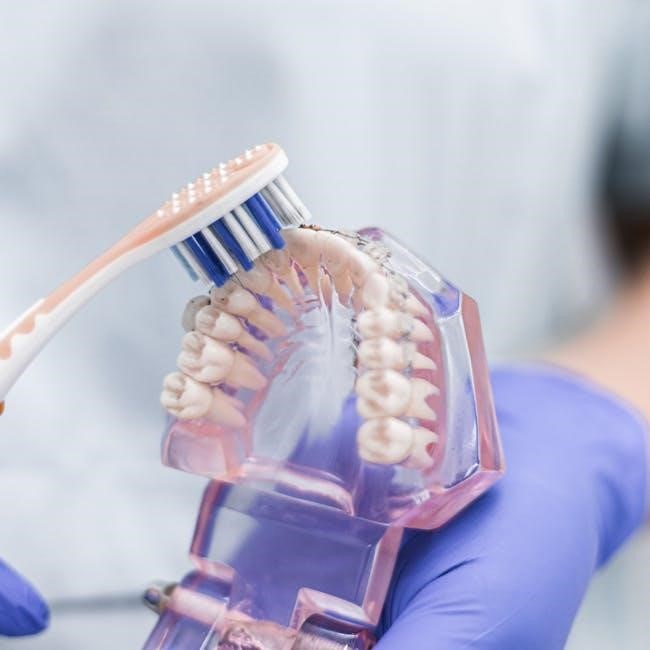
Chart precisely what was taught – brushing technique (Bass, Modified Bass, etc.), flossing method (C-shape, loop), interdental brush use, irrigation, or any specialized aids recommended. Detail the patient’s understanding and any challenges they face.
Record time spent providing instruction, as this supports the medical necessity of the service. Note any patient-specific needs addressed, like dexterity issues or appliance use.
Avoid vague terms; instead of “improved oral hygiene,” write “patient demonstrated improved Bass technique with interdental brush use.” This level of detail justifies the claim and minimizes denials.
Specific Instructions Documented Under D1330
When billing CDT code D1330, documentation must extend beyond basic brushing and flossing. Detail the specific techniques demonstrated and tailored to the patient’s needs.
Include instruction on proper toothbrushing pressure, angle, and duration. For flossing, specify the method (wrapped, C-shape) and emphasize interproximal cleaning.
Document any use of adjuncts like interdental brushes, water flossers, or tongue scrapers, explaining their proper application. If addressing specific conditions, note instructions related to periodontal pockets or orthodontic appliances.
Record any dietary recommendations impacting oral health, like reducing sugar intake. Clearly state if tobacco cessation counseling was provided. The more detailed the charting, the stronger the justification for reimbursement, demonstrating a personalized and comprehensive approach to oral hygiene education.
Patient-Specific Oral Hygiene Plans
Effective use of CDT code D1330 necessitates creating personalized oral hygiene plans. A “one-size-fits-all” approach is insufficient for proper documentation and reimbursement.
Consider the patient’s dexterity, oral anatomy, periodontal status, and any restorative work. For example, a patient with dexterity issues might benefit from floss holders or interdental brushes.
Tailor instructions based on identified plaque accumulation areas and individual risk factors. Document the specific tools recommended and demonstrate their correct usage.
Provide written and visual aids to reinforce instructions. A customized plan demonstrates a commitment to patient education and justifies the use of D1330, showcasing the value of preventative care beyond routine cleaning. This individualized approach improves compliance and long-term oral health outcomes.
Insurance Coverage and D1330
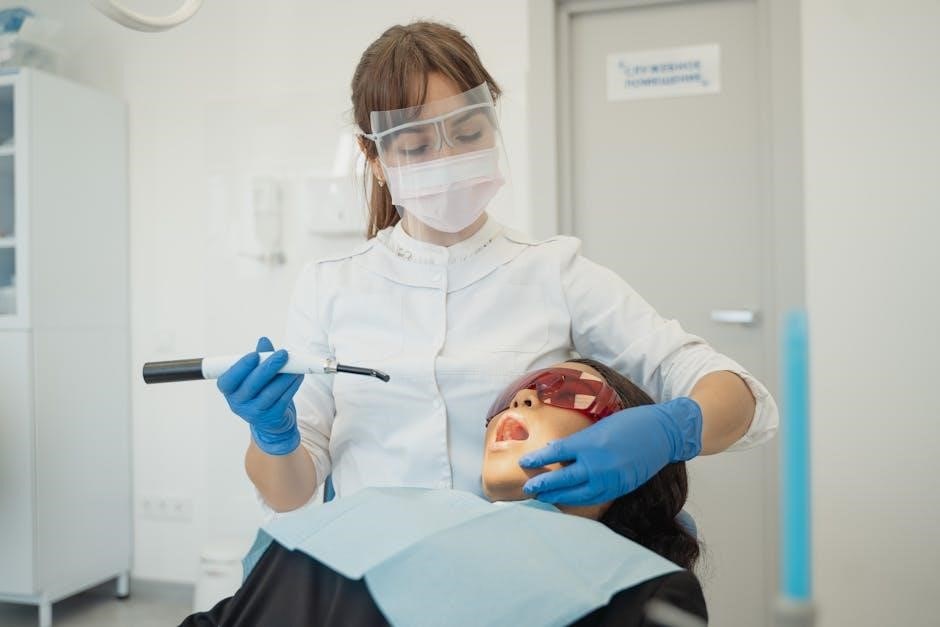
Insurance for D1330, oral hygiene instructions, varies greatly; many plans offer limited or no reimbursement, requiring pre-authorization or appealing denied claims.
Common Insurance Limitations
Insurance coverage for CDT code D1330, representing oral hygiene instructions, frequently presents limitations. Many dental insurance plans classify these instructions as preventative, often bundled with prophylaxis (D1110) and not reimbursed separately.
A significant limitation is the “bundled” coverage, meaning the cost of instruction is considered part of the routine cleaning fee. Some policies may have a frequency limitation, only covering D1330 once per year, or even less frequently. Furthermore, many plans require the instructions to be extensive and documented with significant detail to qualify for reimbursement – simply reminding a patient to brush and floss isn’t sufficient.
Some insurance companies may also have medical necessity requirements, demanding justification for the need for detailed oral hygiene education beyond basic techniques. Patient-specific needs, like those with periodontal disease or undergoing orthodontic treatment, may strengthen claims, but aren’t always guaranteed. Understanding specific plan details is vital before providing and billing for D1330.
Pre-authorization Considerations
Given the frequent limitations surrounding CDT code D1330 (oral hygiene instructions), pre-authorization is often a prudent step, especially for extensive or prolonged instruction sessions. While not always required by insurance, it can prevent claim denials and unexpected patient balances.
When seeking pre-authorization, clearly articulate the medical necessity of the detailed instruction. Highlight patient-specific factors – periodontal disease, orthodontic appliances, dexterity issues, or poor oral hygiene compliance – justifying the need for beyond-basic education.
Submit supporting documentation, such as a proposed treatment plan outlining the topics to be covered (brushing techniques, flossing methods, interdental aids, etc.). Be prepared to detail the time allocated for instruction. Knowing the patient’s insurance plan specifics beforehand is crucial; some plans explicitly state pre-authorization requirements for D1330. Proactive pre-authorization streamlines the billing process and enhances patient satisfaction.
Appealing Denied Claims
Denied claims for CDT code D1330 (oral hygiene instructions) are unfortunately common, often due to perceived lack of medical necessity or exceeding policy limitations. A systematic appeal process is vital for recovering legitimate reimbursement.
First, thoroughly review the Explanation of Benefits (EOB) to understand the denial reason. Gather supporting documentation: detailed charting notes explicitly outlining the personalized instruction provided, the patient’s specific needs, and the time spent. A narrative report explaining the medical necessity – poor compliance, complex oral health issues, or new appliance use – is crucial.
Submit a formal written appeal, referencing the policy details and attaching all supporting evidence. Clearly articulate why the services were medically necessary and meet the coding guidelines. If the initial appeal is denied, consider a second-level appeal or, if applicable, an external review. Persistence and thorough documentation are key to a successful appeal.
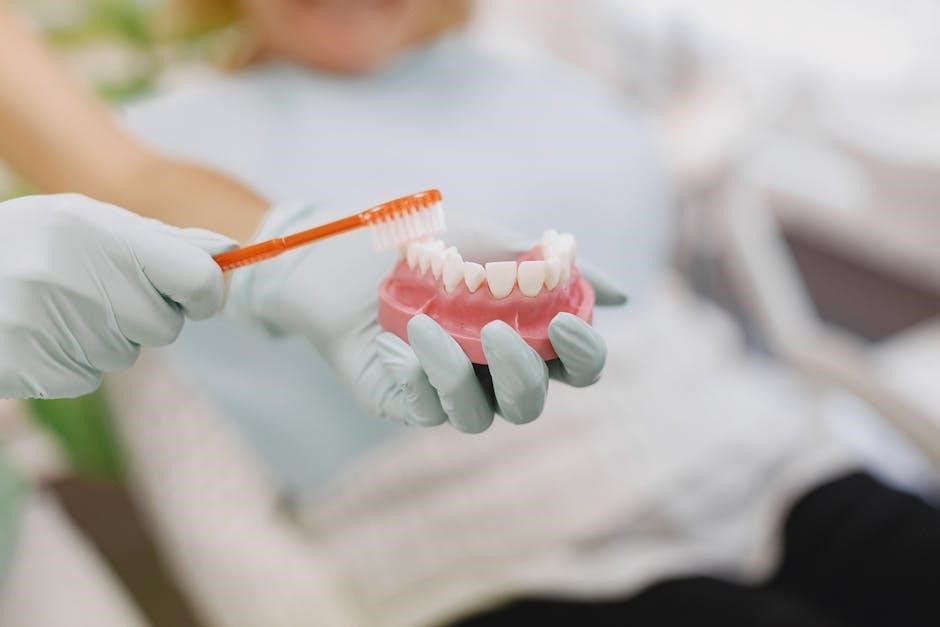
Advanced Oral Hygiene Procedures & Coding
Advanced techniques often necessitate detailed oral hygiene instructions, potentially supplementing D1330 with codes for laser therapy or gross debridement, ensuring comprehensive care.
Soft Tissue Diode Laser (Specific Codes Vary)
Soft tissue diode lasers are increasingly utilized in periodontal therapy, often requiring enhanced oral hygiene instructions post-treatment. While specific laser codes vary depending on the procedure (e.g., gingivectomy, frenectomy), CDT code D1330 becomes particularly relevant for patient education.
Following laser therapy, meticulous home care is paramount for optimal healing and long-term success. D1330 allows for billing of detailed instructions tailored to the laser-treated site, covering proper cleaning techniques, avoidance of irritation, and recognizing signs of infection. This goes beyond basic brushing and flossing, potentially including interdental brushes or specialized rinses.
Documentation should clearly link the D1330 instruction to the laser procedure, outlining the specific rationale for the personalized oral hygiene plan. Insurance coverage for D1330 in conjunction with laser therapy can vary, so pre-authorization is often advisable.
Gross Debridement (D4355)
Gross debridement (D4355), the removal of substantial supragingival and subgingival calculus, often precedes comprehensive periodontal therapy and necessitates intensive oral hygiene instructions. Following D4355, patients require detailed guidance to manage inflammation and prevent rapid re-accumulation of deposits.
CDT code D1330 is crucial here, allowing for reimbursement of personalized instruction beyond basic techniques. This includes demonstrating proper brushing and flossing methods, emphasizing areas of previous heavy calculus, and potentially recommending adjunctive aids like interdental brushes or water flossers.
Documentation must clearly articulate the extent of debridement and the individualized oral hygiene plan developed in response. The instructions should address the patient’s dexterity and oral health literacy. Insurance coverage for D1330 following D4355 is generally favorable, but verifying specific plan limitations is always recommended.
Emerging Trends in Dental Coding
Tele-dentistry expands access to oral hygiene instructions, potentially utilizing CDT code D1330 remotely. CDT code updates continually refine accurate billing practices.
Updates to CDT Codes (2025 & Beyond)
CDT codes are reviewed annually, with significant updates anticipated for 2025 and beyond, impacting how oral hygiene instructions are coded and reimbursed. While D1330 currently covers personalized oral hygiene education, including brushing and flossing techniques, future revisions may clarify the level of detail required for appropriate billing.
There’s ongoing discussion regarding differentiating between basic and comprehensive instruction, potentially leading to new or modified codes. The increasing emphasis on preventative care and the integration of technology, like intraoral cameras for demonstrating techniques, could influence coding guidelines. Dental professionals must stay informed about these changes to ensure accurate claim submissions and avoid denials.
Furthermore, the expansion of teledentistry may necessitate specific codes for virtual oral hygiene instruction, addressing the unique aspects of remote patient education. Staying current with the ADA’s updates and participating in continuing education courses are vital for navigating these evolving coding landscapes.
Tele-dentistry and Oral Hygiene Instructions
Tele-dentistry is rapidly changing how oral hygiene instructions are delivered, presenting both opportunities and challenges for coding, particularly with CDT code D1330. Providing effective instruction remotely requires adapting techniques and utilizing visual aids, such as videos or live camera demonstrations.
Currently, D1330 can be used for teledentistry services, but documentation must clearly demonstrate the personalized nature of the instruction and the time spent with the patient. Insurance coverage for teledentistry varies significantly, so verifying pre-authorization requirements is crucial.
Future CDT code updates may introduce specific codes for remote oral hygiene education to better reflect the unique aspects of this delivery method. Maintaining detailed records of the virtual consultation, including screenshots or recordings, will be essential for supporting claims and ensuring appropriate reimbursement.
The Future of Dental Hygiene Coding
The future of dental hygiene coding, especially concerning oral hygiene instructions (D1330), will likely see increased specificity and integration with technological advancements. Expect potential revisions to CDT codes to better define the scope of services delivered through teledentistry and other innovative platforms.
Artificial intelligence (AI) may play a role in automating documentation and verifying coding accuracy, reducing errors and maximizing reimbursement. Emphasis will likely shift towards demonstrating value-based care, requiring more detailed documentation of patient-specific oral hygiene plans and outcomes.
Continued education for dental hygienists will be vital to stay abreast of evolving coding guidelines and ensure compliance. The focus will be on accurately reflecting the time and expertise dedicated to personalized oral hygiene instruction, supporting the long-term health of patients.