
AS2441 Fire Hose Reels PDF: A Comprehensive Guide
AS 2441 details Australian standards for fire hose reel installation‚ covering crucial aspects like component specifications‚ testing‚ and maintenance procedures for optimal safety.
Understanding AS2441 Standards
AS 2441‚ specifically versions 1988 and 2005‚ represents the core Australian Standard governing the installation of fire hose reels. These standards‚ prepared by Committee FP-007‚ are vital for ensuring fire safety within buildings and premises across Australia. The standard meticulously outlines requirements for every stage‚ from component selection – including the crucial 19mm nominal diameter hose – to the final commissioning and ongoing maintenance.
Understanding AS 2441 isn’t merely about compliance; it’s about safeguarding lives and property. The standard dictates that installation must be performed by a certified tradesperson‚ guaranteeing expertise and adherence to best practices. It details precise installation procedures‚ including proper inlet pipe mounting and the necessity of a double O-ringed fluid path to prevent leaks. Furthermore‚ it specifies critical performance criteria‚ such as a minimum discharge rate of 0.45L/S at 220-10kPa‚ ensuring effective firefighting capabilities against Class A fires – those involving common combustibles like wood and paper – up to a 36-meter reach.
Regular reference to the latest version of AS 2441 is paramount‚ as updates reflect evolving technologies and safety considerations.
The Importance of AS2441 Compliance
AS2441 compliance isn’t simply a regulatory requirement; it’s a fundamental pillar of fire safety and legal responsibility. Adhering to the standard ensures that fire hose reel systems function reliably and effectively when needed most – during an emergency. Non-compliance can lead to significant penalties‚ invalidate insurance claims‚ and‚ most critically‚ compromise the safety of building occupants.
A correctly installed and maintained system‚ as dictated by AS2441‚ provides a readily available and controlled water supply for combating Class A fires‚ offering crucial first-response capabilities before the arrival of fire services. This is particularly vital in environments where rapid intervention can prevent escalation and minimize damage.
Furthermore‚ compliance demonstrates a commitment to due diligence and responsible building management. Utilizing components meeting AS2441 specifications – like UV-stabilized hoses and corrosion-resistant stainless steel options – guarantees longevity and performance. Regular maintenance‚ as outlined in the standard‚ ensures continued operational readiness. Ultimately‚ AS2441 compliance translates to a safer environment and peace of mind.
Key Features of AS2441-2005
AS2441-2005‚ the Australian Standard for fire hose reel installation‚ emphasizes several key features crucial for system reliability. A primary focus is the specification of a 19mm nominal diameter hose‚ ensuring adequate water flow for effective fire suppression. The standard mandates a minimum discharge rate of 0.45L/S at 220-10kPa‚ guaranteeing sufficient water pressure and volume.
Leak prevention is paramount‚ achieved through the requirement of a double O-ringed fluid path within the reel system. This design minimizes water loss and maintains system pressure. UV-stabilized hoses are also essential‚ protecting against degradation from sunlight exposure and extending the hose’s lifespan.
The standard details requirements for inlet pipe and mounting brackets‚ ensuring secure and stable installation. Furthermore‚ nozzle quality is addressed‚ specifying appropriate types for optimal spray patterns and reach – up to 36 meters for Class A fires. Stainless steel options are recommended for corrosive environments‚ enhancing durability and longevity of the entire system.
AS2441-1988 vs. AS2441-2005: Key Differences
The transition from AS2441-1988 to AS2441-2005 brought significant updates to fire hose reel installation standards in Australia. While both versions address fundamental safety requirements‚ the 2005 revision incorporates advancements in materials‚ testing procedures‚ and system design.
A key difference lies in the increased emphasis on component quality and durability. AS2441-2005 provides more detailed specifications for hoses‚ nozzles‚ and inlet pipes‚ ensuring greater reliability and performance. The 2005 standard also clarifies requirements for UV stabilization of hoses‚ addressing a common failure point in older systems.
Furthermore‚ the updated standard includes more rigorous pressure testing and commissioning protocols‚ guaranteeing proper functionality upon installation. While both versions require installation by a certified tradesperson‚ AS2441-2005 offers more comprehensive guidance on installation procedures and best practices. The newer standard reflects a greater focus on proactive maintenance and long-term system integrity.

Components of a Fire Hose Reel System
Fire hose reels comprise a 19mm hose‚ inlet pipe‚ mounting brackets‚ a high-quality nozzle‚ and a double O-ringed fluid path for leak prevention.
Hose Specifications (19mm Nominal Diameter)
AS 2441 mandates a nominal hose diameter of 19mm for fire hose reels‚ a critical specification ensuring compatibility and optimal performance within the system. This standardized dimension directly impacts the water flow rate and effective firefighting reach. The hose material must be UV stabilised to withstand prolonged exposure to sunlight‚ preventing degradation and maintaining flexibility over time.
Crucially‚ the hose must meet specific discharge rate requirements‚ delivering a minimum of 0.45L/S at 220-10kPa. This ensures sufficient water volume and pressure are available for effective fire suppression. The hose length is designed to provide a 36m reach‚ allowing firefighters to access and combat Class A fires safely.
Furthermore‚ the hose construction plays a vital role in system reliability. The inclusion of a double O-ringed fluid path is essential for preventing leaks‚ maintaining consistent pressure‚ and maximizing water delivery efficiency. Compliance with these hose specifications‚ as outlined in AS 2441‚ is paramount for ensuring the fire hose reel system functions as intended during emergency situations.
Inlet Pipe and Mounting Brackets
AS 2441 specifies requirements for both the inlet pipe and mounting brackets of fire hose reels‚ ensuring secure installation and reliable water supply. The inlet pipe‚ connecting the reel to the water source‚ must be appropriately sized and constructed to withstand water pressure and prevent corrosion. It’s typically supplied with the hose reel as a complete unit.
Mounting brackets are critical for securely attaching the reel to a wall or other suitable structure. These brackets must be robust enough to support the weight of the reel and hose‚ even when fully extended. AS 2441 dictates proper bracket placement to facilitate easy access and operation during emergencies.
Installation must adhere to the standard‚ ensuring the inlet pipe and mounting brackets are correctly positioned and firmly fixed. This prevents movement or damage during use. A correctly installed system guarantees a consistent water flow and maximizes the effectiveness of the fire hose reel. Proper installation‚ as per AS 2441‚ is vital for long-term reliability and safety.
Nozzle Quality and Types
AS 2441 emphasizes the importance of high-quality nozzles for fire hose reels‚ directly impacting water stream effectiveness and firefighting capability. The standard doesn’t prescribe a single nozzle type‚ but dictates performance criteria. A high-quality fire nozzle is supplied with the reels‚ ensuring a suitable spray pattern for Class A fires.
Nozzles must deliver a consistent and adjustable water stream‚ allowing firefighters to adapt to varying fire conditions. Common types include adjustable spray nozzles‚ offering options from a straight stream for reach to a wider spray for broader coverage. The nozzle’s construction materials must resist corrosion and withstand the pressures involved in fire suppression.
AS 2441 implicitly requires nozzles to be durable and reliable‚ preventing failure during critical moments. Regular inspection of the nozzle is crucial to ensure it’s free from damage or blockages. A properly functioning nozzle‚ meeting the standard’s implied requirements‚ is essential for maximizing the hose reel’s firefighting potential and ensuring user safety.
Double O-Ringed Fluid Path – Leak Prevention
AS 2441-compliant fire hose reels prioritize leak prevention‚ and a key feature achieving this is the implementation of a double O-ringed fluid path. This design incorporates two independent rubber O-rings at each connection point within the reel’s water delivery system. This redundancy significantly minimizes the risk of water leakage‚ maintaining consistent pressure and ensuring immediate water availability during emergencies.
The double O-ring system provides a tighter seal compared to single O-ring designs‚ effectively preventing water loss even under high pressure. This is crucial for maintaining the required discharge rate of 0.45L/S at 220-10kPa‚ as specified by the standard. Leaks can compromise the system’s effectiveness and potentially delay critical fire suppression efforts.
Manufacturers supplying AS 2441-certified reels prominently feature this double O-ring technology as a selling point‚ highlighting its contribution to system reliability and safety. Regular inspection of these O-rings during maintenance is vital to confirm their integrity and prevent potential failures.
Installation and Commissioning
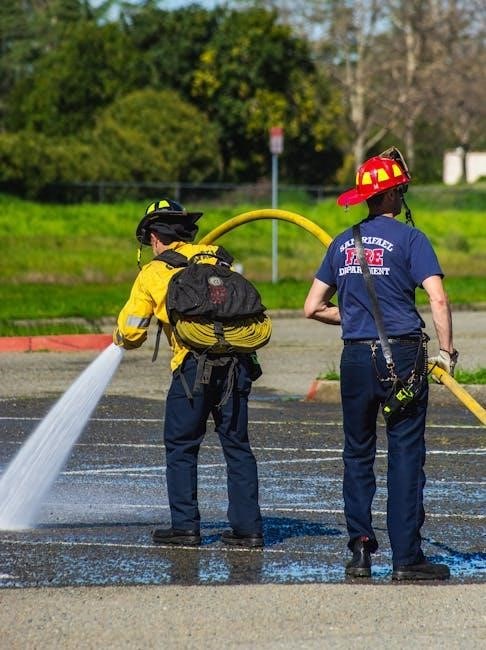
AS 2441 mandates that a certified tradesperson performs installation‚ pressure testing‚ and commissioning‚ adhering strictly to the standard’s guidelines for optimal functionality.
Certified Tradesperson Requirement
AS 2441 explicitly states that all fire hose reel installations must be carried out by a certified tradesperson. This isn’t merely a recommendation; it’s a non-negotiable requirement for ensuring compliance and‚ more importantly‚ the system’s effectiveness in an emergency. The standard recognizes that proper installation demands a specific skillset and understanding of plumbing‚ hydraulics‚ and fire safety regulations.
A certified tradesperson possesses the necessary qualifications and experience to correctly interpret the standard‚ select appropriate components‚ and execute the installation according to the detailed procedures outlined within AS 2441. This includes ensuring correct pipe sizing‚ secure mounting of the reel and brackets‚ and proper connection to the water supply.
Furthermore‚ a certified professional will be equipped to perform thorough pressure testing and commissioning‚ verifying that the system delivers the required discharge rate (0.45L/S at 220-10kPa) and operates without leaks. Attempting installation without the appropriate certification could lead to system failure during a critical event‚ potentially jeopardizing lives and property. Documentation of the certified installer’s credentials is crucial for demonstrating compliance during inspections.
Installation Procedures According to AS2441
AS 2441 details stringent installation procedures to guarantee fire hose reel system reliability. Firstly‚ the inlet pipe must be securely mounted using appropriate brackets‚ ensuring it’s readily accessible for maintenance and doesn’t obstruct pathways. The hose reel itself should be positioned for unobstructed deployment‚ considering the 36-meter reach capability for Class A fires.
Crucially‚ the standard mandates a double O-ringed fluid path to prevent leaks‚ a feature commonly found in compliant reels. Inlet pipework must be adequately sized to deliver the required flow rate‚ and materials must be compatible with potable water supplies. UV-stabilized hoses are essential for outdoor installations‚ preventing degradation from sunlight exposure.
Installation must adhere to specific height restrictions and clearances‚ as defined by AS 2441‚ to facilitate ease of use. Following installation‚ a comprehensive pressure test is mandatory to verify system integrity and discharge performance. Proper documentation of the installation process‚ including component details and test results‚ is vital for ongoing compliance and maintenance records.
Pressure Testing and Commissioning
AS 2441 mandates rigorous pressure testing and commissioning post-installation to validate system functionality. The test must verify the hose reel delivers a minimum discharge rate of 0.45L/S at a pressure of 220-10kPa‚ confirming adequate water flow for firefighting purposes. This testing confirms the system meets the required performance standards for Class A fire suppression.
The procedure involves isolating the hose reel and gradually increasing water pressure to the specified level‚ inspecting for leaks throughout the system – particularly around the double O-ringed fluid path. Any detected leaks must be rectified before proceeding. Following the pressure test‚ a full operational check is required‚ deploying the hose to its full 36-meter extent.
Commissioning includes verifying the nozzle functions correctly and that the hose rewinds smoothly. Detailed records of the pressure test results‚ any corrective actions taken‚ and the commissioning date must be maintained for future reference and compliance audits. A certified tradesperson must oversee and document the entire process‚ ensuring adherence to AS 2441 standards.
UV Stabilised Hose Considerations
AS 2441 recognizes the detrimental effects of ultraviolet (UV) radiation on fire hose materials‚ particularly when exposed to direct sunlight. Prolonged UV exposure can cause hose degradation‚ leading to brittleness‚ cracking‚ and ultimately‚ failure during critical fire events. Therefore‚ the standard emphasizes the importance of utilizing UV stabilised hoses in all installations.
UV stabilisation involves incorporating additives into the hose material during manufacturing‚ enhancing its resistance to UV degradation. These additives absorb or reflect UV radiation‚ protecting the hose’s structural integrity over time. The selection of a hose with appropriate UV stabilisation is crucial‚ especially for outdoor or exposed installations.
Regular inspection of the hose for signs of UV damage‚ such as discoloration or surface cracking‚ is also recommended as part of routine maintenance. Replacement of hoses exhibiting significant UV degradation is essential to maintain system reliability. Choosing a hose specifically designed to withstand UV exposure ensures long-term performance and compliance with AS 2441 requirements.

Maintenance and Safety
AS 2441 mandates regular maintenance‚ including discharge rate checks (0.45L/S at 220-10kPa)‚ to ensure fire hose reels function effectively and safely during emergencies.
Regular Maintenance Schedules
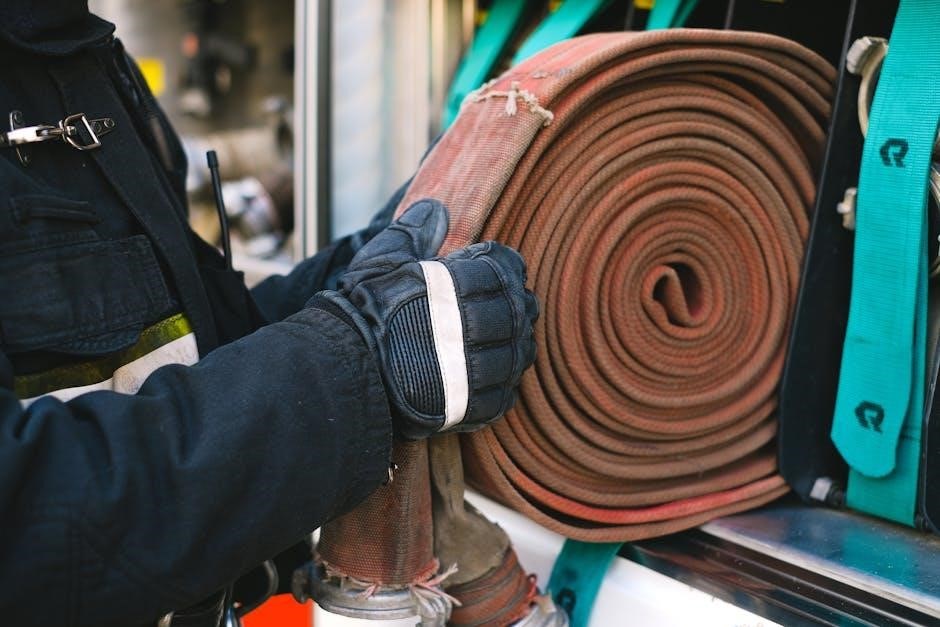
AS 2441 emphasizes the critical need for consistent and documented maintenance schedules for fire hose reels. These schedules aren’t merely suggested; they are a fundamental requirement for ensuring operational readiness and compliance with Australian safety standards. A comprehensive maintenance program should encompass at least annual inspections conducted by a certified tradesperson‚ alongside more frequent‚ in-house checks performed by trained personnel.
Annual inspections‚ as per AS 2441‚ must verify the hose’s condition – checking for abrasions‚ kinks‚ or deterioration – and confirm the nozzle delivers the required discharge rate of 0.45L/S at a pressure of 220-10kPa. The inlet pipe and mounting brackets also require scrutiny for corrosion or damage. Regular in-house checks‚ ideally monthly‚ should involve visual inspections of the hose‚ nozzle‚ and reel casing‚ ensuring unobstructed access and proper winding.
Detailed records of all maintenance activities‚ including dates‚ findings‚ and corrective actions‚ are essential for demonstrating compliance during audits. Failure to adhere to these schedules can compromise the system’s effectiveness in an emergency and potentially lead to legal ramifications. Prioritizing proactive maintenance is‚ therefore‚ paramount for safeguarding lives and property.
Discharge Rate Requirements (0.45L/S at 220-10kPa)
AS 2441 explicitly defines the minimum acceptable discharge rate for fire hose reels as 0.45 liters per second (L/S) at a water pressure of 220-10 kilopascals (kPa). This specification isn’t arbitrary; it’s a scientifically determined flow rate necessary to effectively suppress Class A fires – those involving common combustibles like wood‚ paper‚ and textiles – within the reel’s effective range.
Achieving this discharge rate requires a correctly sized and maintained system‚ encompassing the hose diameter (19mm nominal)‚ the inlet pipe‚ and the nozzle. Regular pressure testing‚ as mandated by AS 2441‚ is crucial to verify that the system consistently delivers the required flow. Any deviation below 0.45 L/S indicates a potential issue‚ such as a partially blocked hose‚ a faulty nozzle‚ or insufficient water pressure.
Furthermore‚ the standard emphasizes that the discharge rate must be maintained across the entire length of the hose (up to 36 meters). Compromising on this requirement significantly reduces the reel’s firefighting capability and jeopardizes safety. Consistent monitoring and prompt rectification of any deficiencies are therefore non-negotiable.
Corrosion Resistance – Stainless Steel Options
AS 2441 acknowledges that fire hose reel systems are often installed in environments susceptible to corrosion‚ particularly those near coastal areas or industrial facilities; To address this‚ the standard permits – and often recommends – the use of stainless steel components‚ specifically for the reel body‚ inlet pipe‚ and mounting brackets.
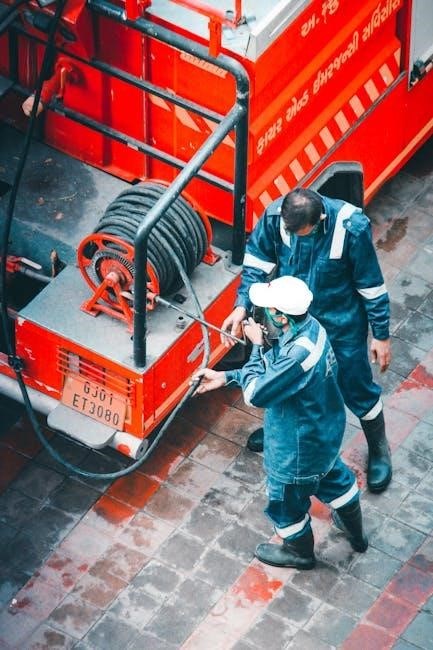
Stainless steel offers superior resistance to rust and degradation compared to standard materials‚ ensuring long-term reliability and minimizing the risk of system failure. This is particularly important as corrosion can weaken components‚ reduce water flow‚ and ultimately render the reel ineffective during an emergency.
While not always mandatory‚ selecting a stainless steel model is a proactive measure for environments where corrosion is a known concern. The standard doesn’t specify a particular grade of stainless steel‚ but it implies that the chosen material must withstand the anticipated corrosive conditions. Regular inspection‚ even with stainless steel components‚ remains vital to identify any early signs of corrosion and maintain optimal performance‚ adhering to AS 2441 guidelines.
Fire Class A Firefighting Capabilities (36m Reach)
AS 2441 specifies that fire hose reels are primarily designed for tackling Class A fires – those involving common combustible materials like wood‚ paper‚ textiles‚ and plastics. These reels deliver a controlled water supply‚ enabling initial attack and suppression of these types of fires before they escalate.
A key performance criterion outlined in the standard is the effective reach of the water jet. AS 2441 mandates that a fire hose reel system must provide a usable water stream up to a distance of 36 meters. This reach allows personnel to safely approach and extinguish fires from a reasonable distance‚ minimizing risk.
Achieving this 36-meter reach relies on several factors‚ including adequate water pressure‚ appropriate nozzle selection‚ and a hose of the correct length and diameter (typically 19mm). The standard emphasizes the importance of regular testing to verify that the system consistently meets this reach requirement‚ ensuring its effectiveness in real-world firefighting scenarios‚ as per AS 2441.